

As for maintaining a clean plus cozy home, frequently overlooked are the curtains that frame our windows. With time, these fabric essentials can collect dust and stains, becoming a breeding ground for allergens like dust mites, pet dander, and even mold. If you have seen sneezing, asthma flare-ups, or a general decline in your indoor air quality, it may be time to inspect your window treatments.
Understanding the signs that your curtains need a professional cleaning can not only enhance the aesthetics of your space but also improve your overall hygiene and respiratory health. A simple cleaning can eliminate dust, dead skin cells, and various unwanted particles, resulting in a safer environment for you and your family. Here are a few clues that indicate it might be time to consider a professional curtain cleaning method, keeping your home stays both spotless and safe.
Grasping Curtain Contaminants
Drapes serve not only as aesthetic elements in our homes but also as shields against dust and other contaminants. As time goes by, they can accumulate various pollutants that can negatively impact indoor air quality. curtain cleaner and stains from daily living settle on these fabrics, creating a breeding ground for allergens such as dust mites, pet dander, and dead skin cells. If ignored, these contaminants can lead to breathing problems or exacerbate conditions such as asthma.
Another significant concern is the presence of mold and mildew. These fungi thrive in damp environments, and if curtains are exposed to moisture, they can quickly become a health hazard. The spores produced by mold can contribute to bad air quality and lead to significant health issues. Routine cleaning is vital to avoid these impurities from taking hold in your environment.
Cleanliness is a major factor in maintaining a healthy home environment. Dirty curtains not only harbor dust and mold but also function as a catcher for odors and allergens. This build-up can lead to discomfort and reduced air quality in your home. Recognizing the types of impurities present in your drapes is the initial step towards ensuring a tidy and healthy living environment.
Indications Your Curtains Might Be Ready for a Clean
Dirty curtains can be a breeding ground for dust and marks. Over time, they gather dust particles, pet dander, and dead skin cells, which can significantly impact indoor air quality. If you observe a clear layer of dust on your curtains, it is a definite sign that they are in need of a deep clean. These substances can worsen asthma and lung conditions, making it crucial to keep a healthy space.
An additional important sign is the existence of fungus and mildew. If your curtains are in contact with moisture, they may grow fungi that not only mark fabric but can also pose serious health risks. Noticing any signs of mold or unpleasant odors is an indication that a intensive wash is necessary. Dealing with these issues quickly can help improve hygiene and prevent further deterioration to your curtains.
You could also think about the condition of your curtains. If they look blotchy or faded from built-up dirt, it might be time for a makeover. Stains and tarnishing can take away from the look of your environment, making your home feel more uninviting. A deep clean can restore their original vibrancy and help maintain a tidy atmosphere.
The Impact of Dirty Window Treatments on Air Quality
Dirty drapes can seriously affect indoor air quality, contributing to a variety of medical concerns. Collected dirt, skin flakes, and pet fur can create irritants that are released into the air, leading to breathing issues such as asthma and allergic reactions. When drapes are not frequently washed, they become a collection point for toxins that can cause unease and health issues among people in the home.
Mold and mildew are common problems in filthy drapes, especially in moist environments. These fungi can flourish in the fabric, releasing cells that compromise air quality. If left unchecked, mold growth can lead to serious respiratory issues, and inhaling these cells can aggravate existing conditions or create new medical concerns for those reactive to irritants.
Moreover, soiled window treatments house tiny organisms, which feed on natural fibers found in the fabric. These minute creatures not only contribute to dust accumulation but also their droppings can induce asthma and sensitivity symptoms. Regularly washing curtains and employing thorough cleaning methods are crucial to ensuring a sanitary environment and ensuring the air you breathe remains fresh and free from toxins.
Optimal Drapery Care Techniques
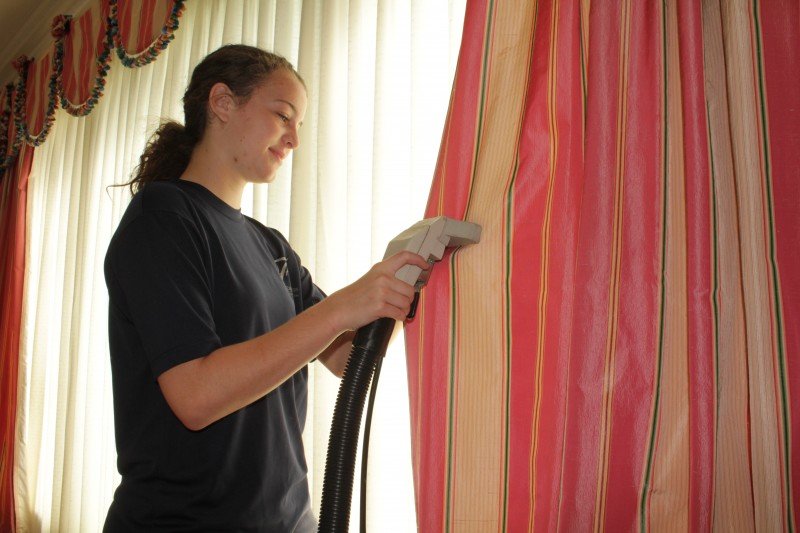
When it comes to keeping hygienic curtains, picking the right cleaning method is crucial. One common option is steam extraction. This method makes use of high-temperature steam to soak into the fibers of the fabric, releasing dirt, dust, and allergens such as mites, dust, animal fur, and shed skin. Not only does steam cleaning effectively remove visible stains, but it also helps eliminate hidden mildew and mold, contributing to enhanced indoor air quality.
Another effective method is solvent cleaning, which is especially ideal for fragile fabrics that cannot handle water. This method involves specific cleaning solvents that dissolve stains and dirt without the need for too much moisture. By opting for specialist dry cleaning help, homeowners can guarantee their drapes are completely cleaned while reducing the risk of damage. This process is especially effective for dealing with tough stains and ensuring that the original fabric condition is maintained.
For those seeking a slightly hands-on method, cleaning curtains at home can be useful as long as the material allows for it. Always consult the care label for instructions on the most suitable curtain care method. Cleaning curtains in a washing machine can help get rid of surface dirt and dust, but it’s important to use a soft cycle and gentle detergent. Additionally, letting them air dry rather than using a dryer will help preserve the structure of the drapes and stop any shrinkage or damage. Ultimately, the technique you pick should align with your curtains' fabric type and the level of cleaning needed to restore their freshness and clean condition.
Keeping Pristine Curtains: Tips and Tricks
To maintain your drapes looking clean and prolong their durability, consistent maintenance is key. Start by dusting your curtains once a week to eliminate any dust and allergens that may have accumulated on the material. Utilize a hoover with a brush attachment or a sticky roller for efficient dust removal. This easy step can greatly improve the air indoors by reducing mites and dead skin cells that contribute to allergies and respiratory issues.
When it comes to treating stains, prompt action is essential. Determine the type of stain and use a suitable cleaning solution to avoid embedding the mark. For frequent spots, a mixture of gentle detergent and water can work wonders. It’s essential to try any cleaner on a hidden area initially to make sure it doesn’t harm the fabric. For more intensive cleaning, think about steam extraction cleaning, which can effectively remove dirt, mold, and fungus without harsh chemicals.
Finally, creating a schedule for professional cleaning can create a substantial difference in your curtains’ hygiene. Try to arrange a deep cleaning every 6 to twelve months, depending on your surroundings and the existence of animals or irritants. This not only removes built-up grime and stains but also rejuvenates the material, making sure your drapes remain a vibrant part of your interior design while promoting a cleaner living environment.