

Your serve a crucial part in enhancing the visual appeal of your home, but they also function as collectors for dirt, spots, and allergens. Over time, soiled curtains can gather not only grime but also mildew, mildew and even pet dander, turning them into a possible risk. For those with breathing difficulties, the presence of these contaminants can worsen conditions, making consistent maintenance necessary for ensuring good indoor air quality.
In this guide, we will explore the top curtain cleaning methods to revitalize your interior design and ensure a healthy environment. Including hard spots to eliminating foul smells, you'll gain tips into successful methods like steam cleaning and thorough cleaning methods. If curtain cleaning service dealing with accumulated grime on curtains or troublesome mold growth, our expert approaches will help you keep your curtains not only looking great but also adding to a safer home.
Comprehending the Significance of Immaculate Curtains
Clean drapes play a vital role in upholding a healthy indoor environment. Over time, dirt and stains accumulate on curtains, creating a breeding ground for allergens such as mites, pet dander, and skin debris. This accumulation can aggravate respiratory problems like airway issues, making it necessary to emphasize curtain hygiene for your total well-being.
Moreover, soiled curtains can contain mold and mildew, particularly in humid areas. These fungi not only produce unpleasant odors but can also impact your indoor environment. Regular cleaning helps eradicate these toxic agents, guaranteeing a fresher living space. By dealing with issues of dust and marks, you can greatly improve the air quality in your house.
In conclusion, immaculate drapes enhance the look of any room. They not only appear more attractive but also contribute to a more inviting atmosphere. Taking the time to follow the most effective curtain cleaning method allows you to preserve the beauty of your decor while ensuring that your house remains a refuge free from pollutants. Ensuring your curtains immaculate is not just about aesthetics; it is an crucial step towards a better living environment.
Recognizing Frequent Drape Pollutants
Unclean curtains can harbor a range of impurities that influence indoor air quality and sanitation. Dust and marks accumulate over time, arising from typical wear and tear, environmental factors, and everyday living. When curtains are subjected to elements such as pet dander, dead skin cells, and airborne particles, they can become a nest for allergens, which may trigger respiratory problems like asthma.
Fungal growth and mildew are further concerns, especially in humid environments. These fungi thrive on the fabric surfaces of curtains and can lead to persistent odors and discoloration. If ignored, mold can create health risks, contributing to respiratory issues and reducing the overall hygiene of living spaces. Recognizing these contaminants is crucial in maintaining a healthy home environment.
Another common problem is the presence of dust mites, which feed on organic debris found in curtains. These microscopic pests prosper in warm, humid spaces and can exacerbate allergies for sensitive individuals. Regularly addressing these common contaminants is vital for guaranteeing cleaner, fresher curtains and enhancing the air quality in your home.
Effective Drapery Maintenance Methods
When it comes to washing curtains, selecting the best method is essential to ensure a complete removal of dust and blemishes. One of the most effective curtain cleaning methods is cleaning curtains in a machine washer, provided the fabric is machine washable. Start by reviewing the care label for exact instructions. For most fabrics, a gentle cycle with light detergent will assist remove allergens like dust, pet allergens, and skin flakes. Make sure to use cool water to prevent contraction and color loss.
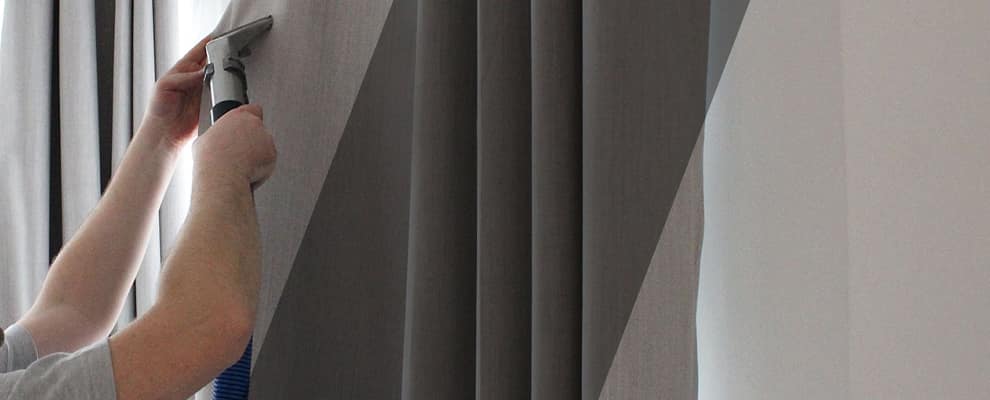
For curtains that are not able to be machine washed, hot steam cleaning is extremely effective. This method uses heated steam to seep into the fabric, removing grime, mold, and fungi. The high temperature also sanitizes the fabric, making it a great option for enhancing indoor air quality. After steaming, let the curtains to completely dry to prevent any humidity, which could result in fungal growth.
If you are confronted with resilient stains or odors, contemplate expert curtain cleaning help. Specialists have advanced tools and methods to address issues that DIY methods may not tackle. They can treat certain stains and ensure that the fabrics remain in great condition while significantly enhancing hygiene. Choosing specialized cleaning not only refreshes your curtains but also helps maintain the general air quality in your space, lowering asthma and lung problems linked to allergen buildup.
Best Practices for Curtain Maintenance
To maintaining fresh curtains, it is important to adopt a regular cleaning routine. Start by brushing your curtains weekly. Use a vacuum cleaner with a brush attachment to take away dust and allergens, such as pet dander and dead skin cells. This proactive approach helps keep dust mites and other allergens at bay, contributing to better indoor air quality and lowering the risk of respiratory problems like asthma.
Along with regular dusting, consider washing your curtains every 3 to 6 months, based on the fabric type and exposure to dirt and grime. Always follow the care instructions offered by the manufacturer to choose the most suitable curtain cleaning method. For difficult stains or odors, using steam extraction cleaning can be especially effective, as it not only cleans but also sanitizes the fabric by destroying fungi and mold.
Finally, inspect your curtains for signs of mold and mildew, especially in damp areas of your home. If you notice any growth, it is essential to clean and dry them immediately to stop further development. Implementing these ideal practices will not only prolong the life of your curtains but also maintain a hygienic environment in your home.
Improving Interior Air Quality through Fresh Drapes
Spotless drapes act a key role in ensuring a safe interior atmosphere. With time, curtains accumulate dust, hair, cellular debris, and various allergens that can add to deteriorated air standards. When these substances accumulate, they can be released into the air, exacerbating breathing conditions such as hay fever and allergic responses. Regularly washing your drapes aids to eradicate these contaminants, allowing for cleaner air.
Another major issue is the growth of mold and fungi, particularly in humid conditions. These microorganisms can thrive on dirty drapes, leading to disagreeable scents and potential medical risks. Implementing an efficient drape cleaning technique, such as high-temperature washing, can efficiently eliminate mold spores and avoid their reoccurrence. This not only enhances cleanliness but also improves the overall appearance of your environment, providing your home a fresh, inviting atmosphere.
Deep cleaning your curtains furthermore helps in diminishing the number of dust mites, which can trigger various medical conditions. Through cleaning drapes carefully and utilizing suitable cleaning techniques, you can significantly improve indoor atmospheric quality. This forward-thinking approach to curtain maintenance makes certain that your living environment remains a healthy and comfortable space, devoid of the harmful consequences of dirt and triggers.